How Contactless Payment Shifts Shape Entry Barriers in Britain's Newest Regulated Gaming Apps
Blake Vogel · Aug 30, 2026

How Contactless Payment Shifts Shape Entry Barriers in Britain's Newest Regulated Gaming Apps
Payment technology continues to evolve rapidly across regulated sectors, and contactless systems have become central to how new gaming applications establish themselves in competitive markets, while data from August 2026 shows rising adoption rates among operators seeking streamlined user onboarding processes. These systems rely on near-field communication protocols that allow transactions without physical card insertion or manual entry of details, which reduces friction for players yet demands significant infrastructure investment from app developers.
Payment Technology Integration and Market Access
New entrants face technical requirements that include secure tokenization standards and compatibility with multiple wallet providers, and these elements create layered compliance needs because operators must align with financial regulations that govern data encryption and transaction monitoring across jurisdictions. Observers note that firms entering the British market often partner with established payment processors to meet these thresholds, whereas independent development of proprietary systems proves resource-intensive for smaller entities. Research indicates that contactless adoption correlates with higher user retention metrics in early-stage apps, since seamless deposits encourage continued engagement without repeated authentication steps.
Regulatory Compliance Factors in Payment Adoption
Authorities in various regions impose standards on transaction speed and verification methods, and Britain's framework intersects with broader European directives on electronic payments that emphasize consumer protection alongside anti-money laundering protocols. Those who've examined industry reports highlight how new apps must demonstrate audit-ready logs for every contactless interaction, which adds layers to the approval timeline compared to traditional card processing routes. A study from the Bank for International Settlements reveals that contactless volumes in digital entertainment sectors grew steadily through 2025 into 2026, prompting regulators elsewhere such as Australia's AUSTRAC to issue updated guidance on real-time monitoring tools that gaming operators now reference when scaling operations.
Entry Barriers Created by Infrastructure Demands
Developers encounter upfront costs associated with hardware testing and software certification, and these expenses compound when apps target multiple device ecosystems simultaneously because legacy systems in older smartphones may not support the latest security patches required for contactless functionality. Experts have observed that established players leverage existing relationships with banks and fintech providers to bypass some of these hurdles, while newer applications must negotiate fresh partnerships that delay launch schedules by several months. Data shows that apps incorporating contactless options from day one achieve faster user acquisition curves, yet the initial capital outlay for certification can exceed budgets available to independent studios without external funding.
Security protocols add another dimension because contactless systems transmit tokenized data that still requires backend validation against fraud databases, and operators report that maintaining these connections involves ongoing subscription fees plus periodic audits. Those who've studied market entry patterns note that apps unable to secure reliable payment gateways often pivot toward alternative methods, which can limit their appeal in a landscape where players expect instant processing. What's interesting is how smaller teams collaborate wth third-party providers based in Canada or the United States to share compliance burdens, drawing on frameworks from bodies like the Financial Transactions and Reports Analysis Centre of Canada for guidance on transaction thresholds.
Market Dynamics and Competitive Positioning
Established operators hold advantages through scale that allows bulk negotiation of processing rates, and this pricing leverage widens the gap for newcomers who pay premium fees during initial contract periods. Figures from industry associations indicate that contactless integration now serves as a baseline expectation rather than a differentiator, pushing new apps to bundle additional features such as loyalty tracking or multi-currency support to stand out. Observers note that apps launched after mid-2025 frequently highlight their payment versatility in marketing materials, yet behind the scenes the real challenge lies in sustaining uptime during peak transaction volumes without service interruptions that erode trust.
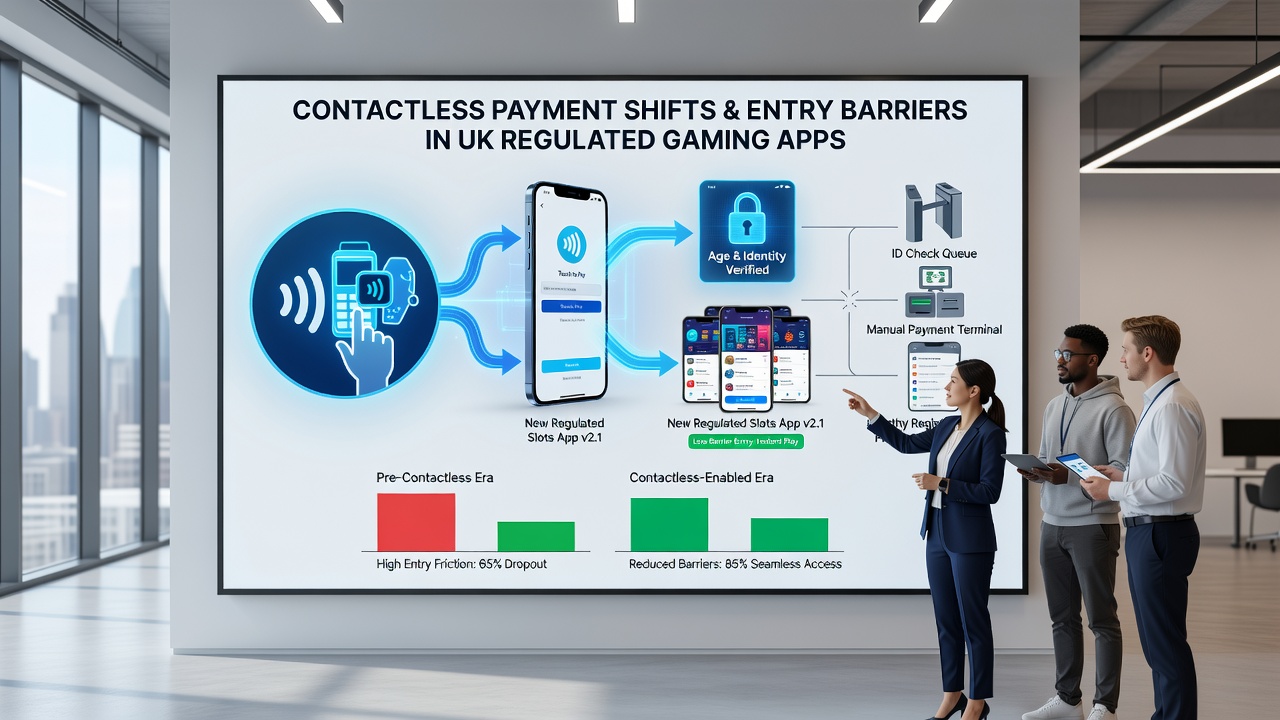
Partnership models have emerged where payment specialists handle regulatory filings on behalf of gaming firms, and this approach reduces direct exposure while accelerating time to market. Research from academic sources at institutions tracking European fintech trends points to measurable shifts in barrier heights, with contactless capabilities lowering certain user-side obstacles even as they elevate technical entry requirements for operators themselves. The reality is that apps must balance these trade-offs carefully, since incomplete implementations lead to user drop-off that undercuts revenue projections from the outset.
Conclusion
Contactless payment systems continue to redefine operational landscapes for Britain's newest regulated gaming applications, and the interplay between technological mandates and compliance frameworks shapes which entities gain traction in this environment. Data compiled through 2026 underscores steady growth in these methods alongside persistent infrastructure challenges that favor prepared entrants with strong backing. As payment ecosystems mature further, the patterns observed today provide a baseline for understanding future developments across similar regulated sectors worldwide.