Tracing How Phone Billing Systems Are Altering Entry Points for Britain's Newly Regulated Casino Platforms
Henrik Lorenz · Sep 27, 2026
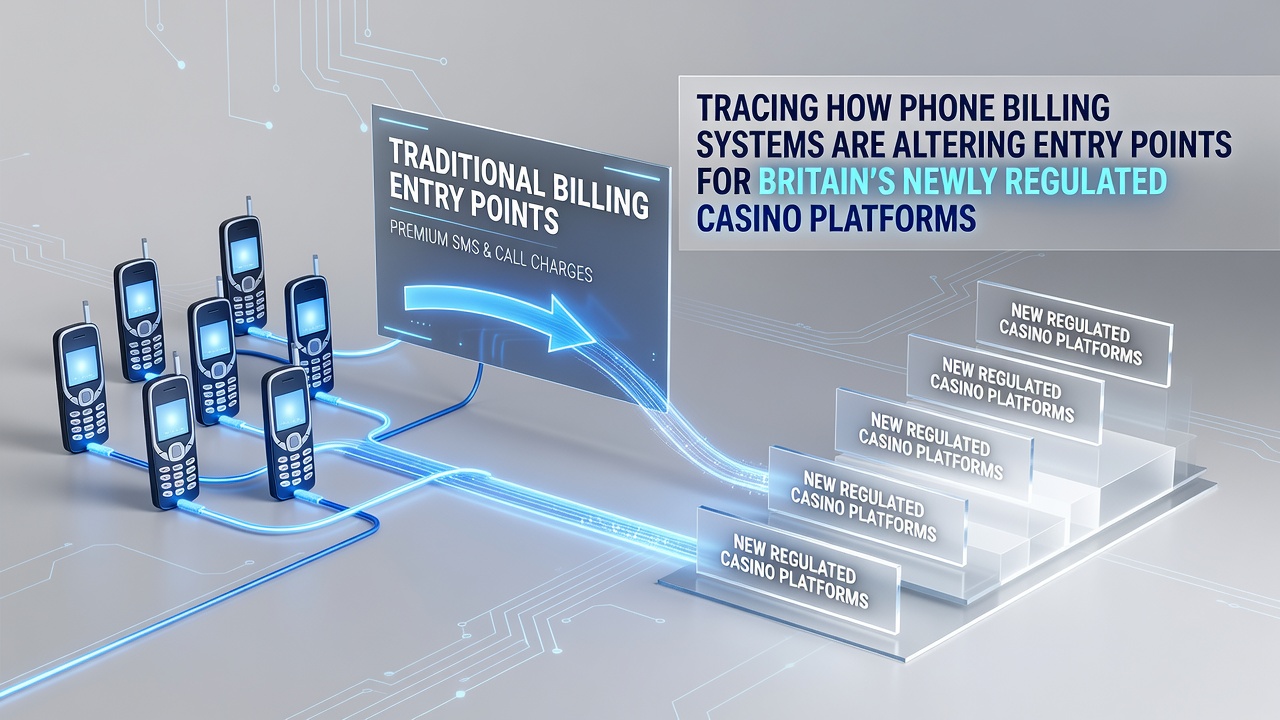
Tracing How Phone Billing Systems Are Altering Entry Points for Britain's Newly Regulated Casino Platforms
Phone billing systems have shifted how new players access Britain's regulated casino platforms because these methods tie deposits directly to mobile carrier accounts rather than traditional bank transfers or cards. Data from industry reports shows that carrier billing now accounts for a growing share of micro-transactions in digital entertainment sectors across Europe, and this trend extends into gaming environments where speed and simplicity matter. Observers note that newly regulated platforms launched after stricter licensing rules took effect have integrated these systems to streamline onboarding while meeting compliance standards that limit certain payment types.
Understanding the Mechanics of Phone Billing in Casino Access
Carrier billing works by adding charges to a user's monthly mobile phone statement or deducting from prepaid balances, which eliminates the need for separate payment details during signup. Research indicates this approach reduces friction for first-time users who might otherwise abandon registration when faced with card verification steps or bank redirects. Platforms that adopted phone billing in 2025 reported higher conversion rates from visitor to active account holder according to aggregated sector statistics, because the process completes in seconds via SMS confirmation instead of multi-step authentication flows.
Those who studied payment trends across digital platforms found that phone billing also supports smaller deposit amounts that align with responsible play limits introduced under updated British regulations. The systems automatically enforce per-transaction caps set by carriers, which helps operators maintain alignment with spending thresholds without additional software layers. Experts have observed that this built-in control mechanism appeals to platforms preparing for full implementation of new rules scheduled to begin in September 2026, when tighter oversight on payment methods is expected to expand.
Regulatory Shifts and Their Impact on Payment Integration
British authorities have updated licensing conditions to favor payment solutions that offer transparent records and fraud prevention features, and phone billing meets several of these criteria through carrier-level verification. Figures from European digital payment studies reveal that mobile-originated transactions carry lower chargeback rates compared with card payments in entertainment categories, which reduces operational costs for operators. Platforms entering the market after 2024 have therefore prioritized partnerships with major UK carriers to offer this option alongside other approved methods.
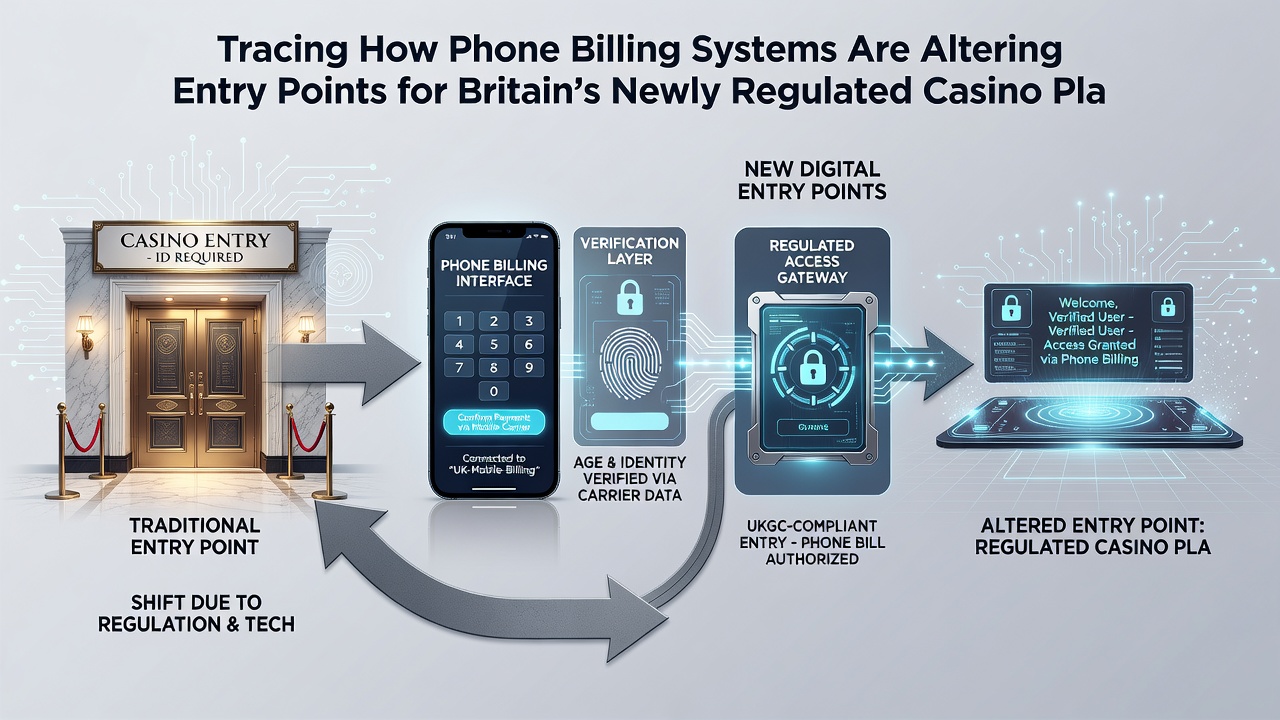
One study revealed that integration timelines shortened when operators worked directly with carriers that already comply with data protection frameworks used by financial regulators. This collaboration allows real-time eligibility checks that confirm a user's age and location before any funds transfer occurs. Researchers discovered that such checks help platforms avoid onboarding users outside permitted jurisdictions while still providing quick access for eligible British residents.
Entry Point Changes for New Platforms
New casino platforms regulated under the latest framework have used phone billing to lower traditional barriers that previously required bank account linkage or third-party wallet setup. Data shows that users who complete deposits via carrier billing often proceed to gameplay within the same session, whereas card-based methods sometimes involve additional security prompts that extend the process. Platforms have responded by highlighting phone billing as a primary option on their landing pages, which matches user preferences documented in recent mobile payment surveys.
What's interesting is how this payment route interacts with identity verification requirements that came into force during the 2025 licensing round. Carriers already maintain verified customer databases, so operators can pull limited confirmation data without requesting extra documents from players. Those who've examined compliance workflows note that this reduces drop-off rates during the know-your-customer phase, which remains mandatory for all regulated sites.
Technical and Security Considerations
Security protocols for phone billing rely on encrypted SMS channels and carrier authentication tokens that prevent interception during the authorization step. Industry organizations tracking digital security have documented fewer instances of payment fraud when billing routes through established mobile networks compared with some alternative methods. Operators therefore view these systems as reliable components within their overall risk management strategies, especially as September 2026 approaches and additional technical standards for payment processing are anticipated.
Implementation varies by platform size, with larger operators negotiating volume-based rates from carriers while smaller entrants rely on aggregator services that connect multiple networks through single APIs. This layered approach allows even new market participants to offer phone billing without building direct carrier relationships from scratch.
Conclusion
Phone billing systems continue to reshape entry points for Britain's newly regulated casino platforms by offering faster deposits, built-in spending controls, and streamlined verification that aligns with evolving compliance demands. As operators prepare for the September 2026 regulatory updates, these methods provide measurable advantages in user conversion and operational efficiency according to available sector data. The ongoing integration reflects broader shifts in digital payments that prioritize convenience while maintaining regulatory standards across the British market.