UK Casino Operators Highlight Risks from Proposed Machine Games Duty Increase During London Panel
Paul Schwarz · Oct 25, 2026
UK Casino Operators Highlight Risks from Proposed Machine Games Duty Increase During London Panel
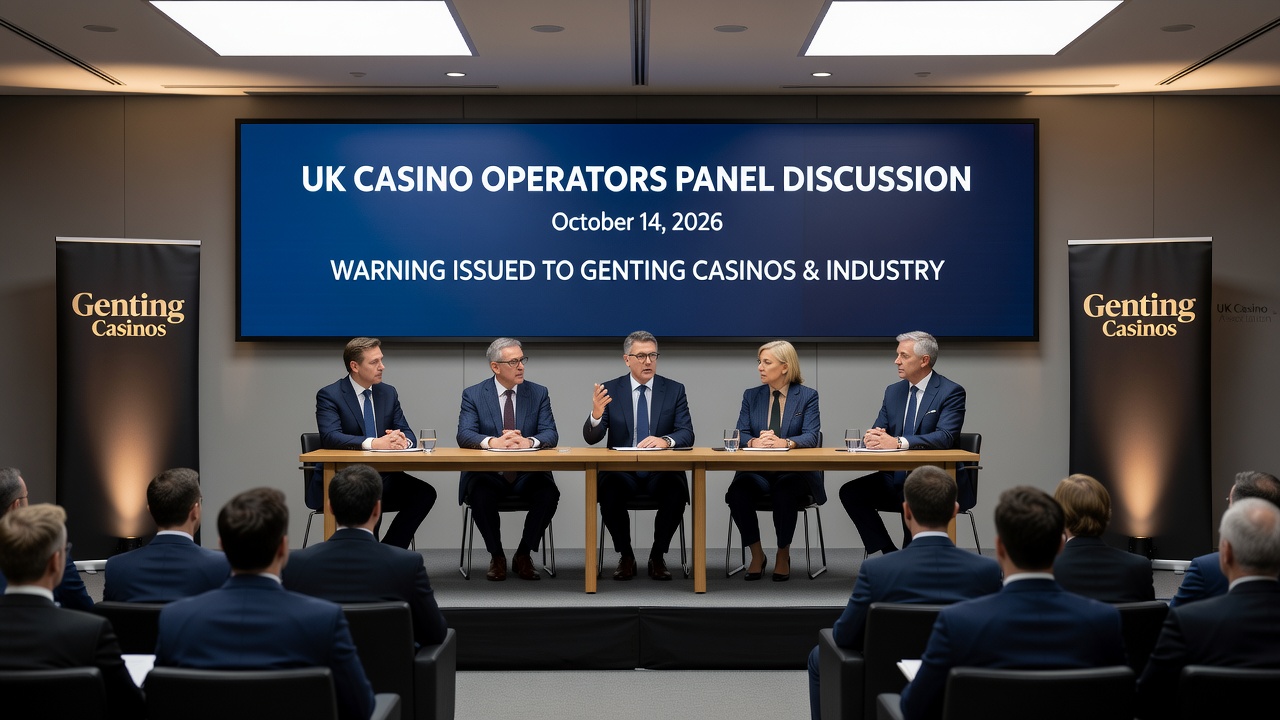
UK casino operators gathered at London’s Hippodrome Casino on October 14 2026 to address a proposed increase in Machine Games Duty from 20% to 40% as outlined by the Social Market Foundation and the group emphasized how this change could disrupt a £200 million investment pipeline along with potential staffing reductions and venue closures. The discussion focused on the need for tax stability to support ongoing development in the sector while Genting Casinos’ chief operating officer Paul Willcock noted that the organization remains eager to expand operations in the UK yet requires clearer fiscal guidelines before proceeding with new projects.
Key Statements from Industry Representatives
Paul Willcock explained during the panel that Genting stands ready to commit resources to UK venues but views tax certainty as essential for moving forward with planned initiatives and the comments aligned with broader concerns raised by other participants about how higher duties might affect day-to-day operations across multiple sites. Operators described the current 20% rate as already challenging and indicated that doubling it would force difficult decisions including reduced hiring and scaled-back improvements to existing facilities.
An NTIA survey of 23 operators provided supporting data with 95.7% indicating they would cut staffing levels if the duty rises while 91.3% stated they would lower investment in venues under the same scenario and these figures formed a central part of the conversation as attendees connected the statistics to real-world consequences such as fewer jobs and slower modernization efforts. The results underscored how a single policy shift could ripple through the industry affecting employment and capital allocation simultaneously.
Potential Impacts on Investment and Operations
Industry voices at the event linked the proposed duty hike directly to risks for the £200 million investment pipeline noting that uncertainty around tax rates often delays project timelines and discourages long-term commitments from groups like Genting. Willcock’s remarks highlighted how the company continues to monitor regulatory developments closely yet remains positioned to act once clearer parameters emerge and similar sentiments appeared among other panelists who referenced past instances where tax adjustments prompted reevaluation of expansion strategies.
Data from the survey illustrated widespread expectations of reduced venue investment with over nine in ten respondents anticipating cuts and this pattern suggests operators would prioritize essential maintenance over growth-oriented upgrades if costs increase. Staffing implications drew particular attention because 95.7% of surveyed firms projected workforce reductions which could translate into fewer roles across front-of-house positions and support functions in casinos nationwide.
Survey Findings and Industry Context
The NTIA poll captured responses from a cross-section of 23 operators and its results painted a consistent picture of anticipated adjustments to business models should the Machine Games Duty reach 40% with nearly all participants preparing contingency plans centered on cost control. Observers note that such surveys often serve as early indicators of sector sentiment and in this case the high percentages for both staffing and investment reductions point to coordinated concerns rather than isolated views. Paul Willcock tied these themes back to Genting’s outlook by stressing the group’s ongoing interest in UK opportunities while underscoring the practical need for predictable tax treatment to unlock further spending.
Panel participants connected the proposed change to wider operational pressures including the possibility of venue closures where margins tighten beyond sustainable levels and they referenced how existing duty structures already influence decisions about machine placements and game offerings. The discussion remained grounded in the specific proposal from the Social Market Foundation without extending to unrelated policy areas and attendees kept the focus on measurable effects such as the £200 million pipeline and the survey-derived percentages.
Broader Implications Discussed at the Event
Those attending the October 14 2026 session explored how a duty increase might alter competitive dynamics within the UK casino market as operators weigh higher costs against customer demand and revenue targets. Willcock’s comments about being “itching to invest” illustrated one company’s stance while the collective survey data reinforced that many peers share similar reservations about proceeding without greater fiscal clarity. The event format allowed for direct exchange of views on these points with emphasis placed on preserving jobs and maintaining investment flows under the current tax framework.
Figures from the NTIA questionnaire showed strong majorities anticipating negative shifts in staffing and venue spending and these projections formed the basis for much of the subsequent dialogue among panelists. Genting’s position as presented by its COO reflected a balance between enthusiasm for UK growth and caution regarding policy risks with the company signaling readiness to advance once tax conditions stabilize. The panel concluded its examination by reiterating the interconnected nature of duty rates employment levels and capital deployment across the sector.
Conclusion
The October 14 2026 panel at London’s Hippodrome Casino brought together operators including Genting Casinos to examine the effects of raising Machine Games Duty to 40% and the session highlighted specific risks to a £200 million investment pipeline alongside staffing and venue investment reductions backed by the NTIA survey of 23 operators. Paul Willcock’s statements emphasized the need for tax certainty to enable further commitments while the collected data illustrated consistent expectations of operational adjustments across the group. The discussion stayed centered on these factual elements without introducing additional topics and it provided a clear record of industry perspectives on the proposed change.